Adaptation
The Ability to Adjust, Grow & Keep Moving Life is constantly changing. Your environment changes. Your energy changes. Your challenges change. And the people who grow the most are often not the strongest or the fastest — but the ones who can adapt.
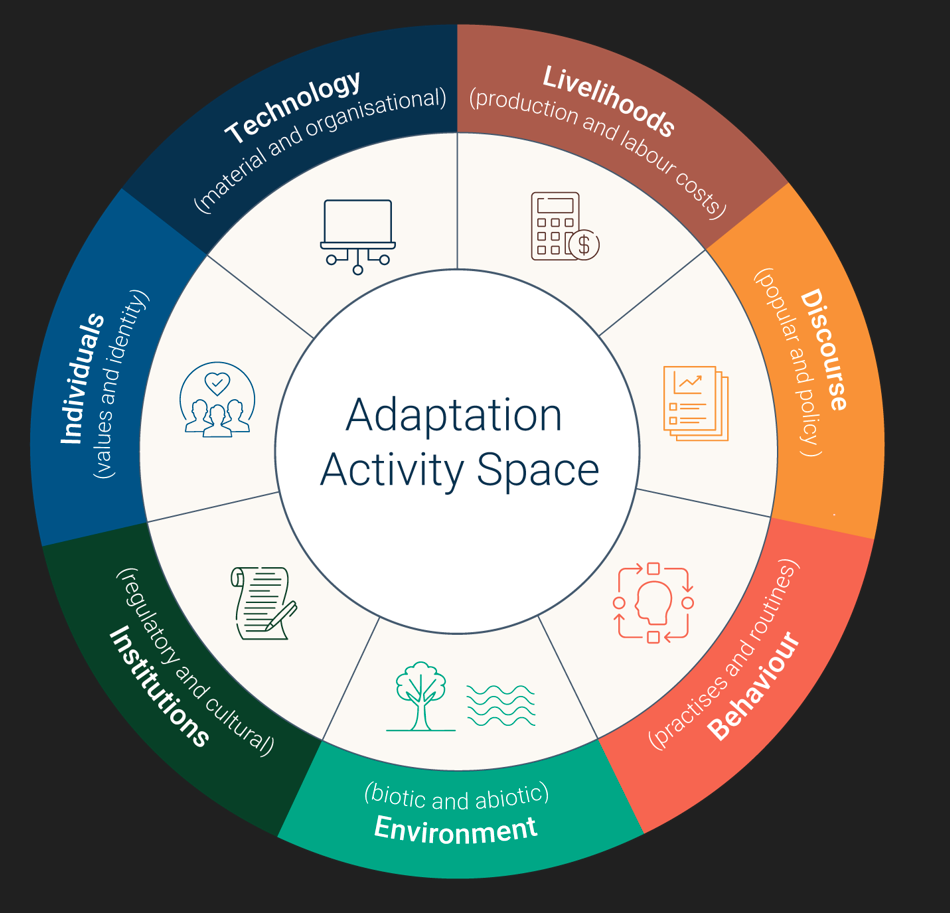
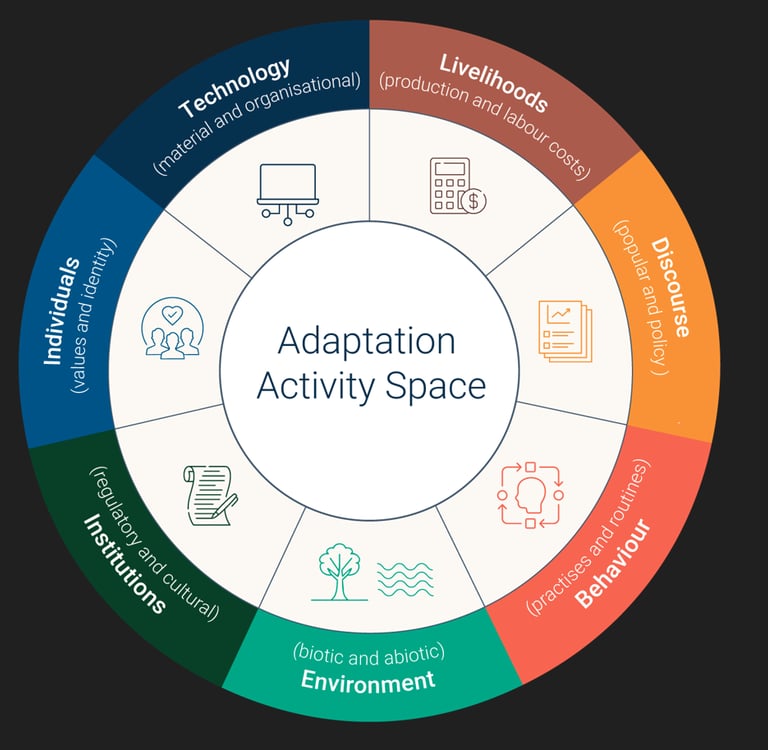
we believe adaptation is one of the most important skills for long-term health and wellbeing. The ability to adjust without breaking, to stay flexible without losing yourself, and to keep moving forward no matter the situation.
And one of the best ways to train adaptation is through active movement.
What Adaptation Really Means?
Adaptation is not giving up or lowering your standards.
It’s learning how to respond intelligently to change.
Sometimes adaptation means:
Slowing down instead of stopping completely
Changing your routine instead of quitting
Adjusting your mindset when life gets difficult
Finding new ways to move forward
Rigid things break. Adaptable things survive and grow.
Why Change Feels Difficult
Humans naturally seek comfort and predictability.
When routines change or challenges appear, stress increases.
You may feel:
Frustrated
Overwhelmed
Mentally stuck
Resistant to change
But avoiding change doesn’t stop it from happening.
The key is learning how to move with it instead of against it.
How Active Movement Trains Adaptation
Movement constantly teaches your body and mind to adjust.
1. Movement challenges the body in different ways
Some days you feel strong. Other days tired or stiff. Movement teaches you to adapt your effort based on your current state.
2. Movement improves resilience
Your body becomes stronger by gradually adapting to stress and recovery. The same principle applies mentally and emotionally.
3. Movement develops body awareness
You learn to listen, adjust, and respond instead of forcing the same approach every day.
4. Movement trains problem-solving
Whether balancing, running, lifting, or flowing through movements, your body is always learning and adjusting in real time.
5. Movement builds confidence in uncertainty
Every challenge you overcome physically reminds you that you can handle discomfort and change.
Adaptation Is About Progress, Not Perfection !
Some people stop completely when things don’t go according to plan.
But adaptation says:
“What can I do today?”
“How can I adjust without quitting?”
“How do I keep moving forward, even if slowly?”
That mindset creates long-term growth.
Use Movement as a Reset
When life changes unexpectedly:
Go for a walk
Stretch and breathe
Move your body to release tension
Reconnect with the present moment
Movement helps calm the nervous system and creates mental space for better decisions.
APE Adaptation Challenge
For the next 7 days:
Move your body daily
If your original plan doesn’t work, adapt instead of skipping completely
Focus on consistency over perfection
Ask yourself:
How can I adjust and still move forward today?
Final Thought
Life will continue to change. Challenges will come. Plans will shift.
Your strength is not measured by how perfectly everything goes —
but by how well you adapt when things don’t.
Active movement teaches this naturally.
It trains your body and mind to stay flexible, resilient, and ready for change.
Adapt.
Adjust.
Keep moving forward.
Subscribe
Follow the movement and stay updated for comming events , offers and the competitions

Follow us
All Rights reserved ©