
Do Your Best
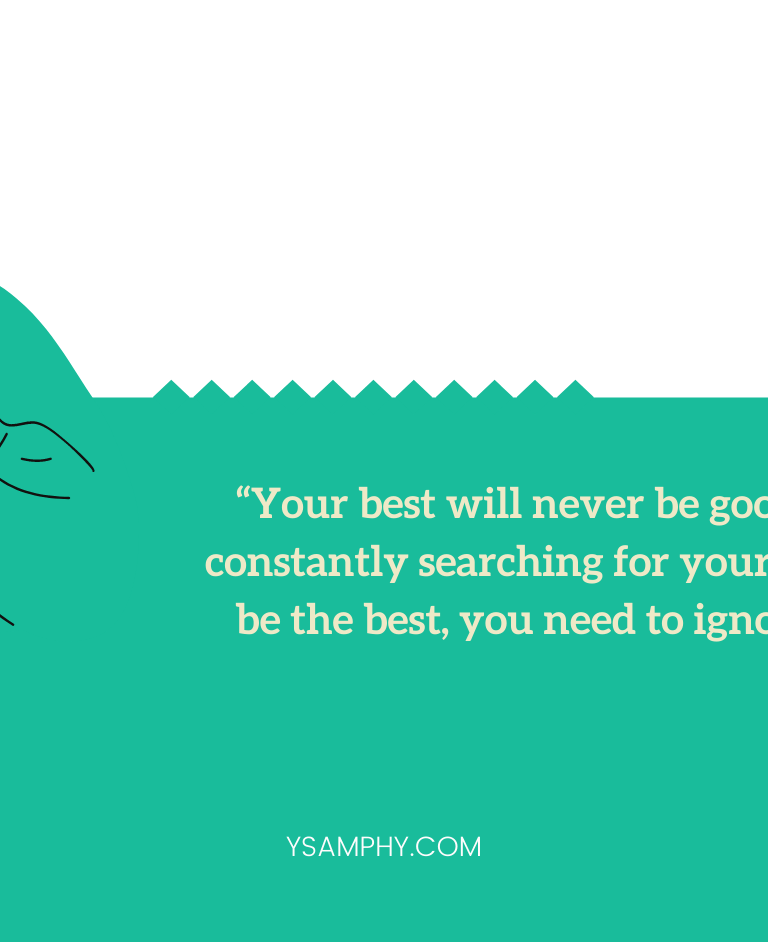
“Do your best” sounds simple. But in real life, it’s often misunderstood. Doing your best doesn’t mean pushing to the limit every day, chasing perfection, or comparing yourself to others. It means showing up honestly, with the energy you have, and giving what you can — consistently.

What Doing Your Best Really Means
Your best changes. Some days you’re strong and energized. Other days you’re tired, stressed, or overwhelmed. Doing your best means:
Listening to your body
Adjusting effort without quitting
Staying committed without being extreme
Respecting recovery as much as action
It’s not about more — it’s about appropriate effort.
Why Movement Helps You Give Your Best
Movement gives immediate feedback. It teaches you where you are today — physically and mentally — without judgment.
1. Movement builds self-awareness
When you move, you learn to sense fatigue, tension, strength, and focus. This awareness helps you choose the right level of effort instead of forcing it.
2. Movement teaches consistency over perfection
A short walk, a mobility session, or a light workout still counts. Showing up matters more than intensity.
3. Movement improves energy and mood
Even gentle movement can lift your energy, reduce stress, and help you engage more fully with your day.
4. Movement builds resilience
Regular activity strengthens not just muscles, but patience, discipline, and adaptability.
5. Movement reinforces self-respect
Doing what you can — and honoring that — builds trust in yourself.
Doing Your Best Doesn’t Mean Doing Everything
One of the biggest traps is thinking your best requires doing it all. In reality, doing your best often means:
Choosing rest when needed
Keeping movement simple
Letting go of comparison
Staying present instead of perfect
Active movement helps you reconnect with your own rhythm, rather than someone else’s expectations.
How to Practice “Your Best” Through Movement
Try this approach:
Before you move:
Ask: How do I feel today?
Low energy? Choose gentle movement.
High energy? Add challenge.
During movement:
Focus on quality, breathing, and control.
Stop before exhaustion.
After movement:
Notice how you feel. Lighter? Clearer? Calmer?
This simple check-in keeps effort honest and sustainable.
APE Daily Practice
For the next 7 days:
Move your body every day
Adjust intensity based on how you feel
Celebrate showing up, not pushing harder
Ask yourself:
Did I give what I realistically could today?
If the answer is yes — that’s enough.
Final Thought
Doing your best isn’t about proving something.
It’s about respecting where you are while still moving forward.
Active movement supports that balance. It helps you show up, stay engaged, and grow — without burning out.
Do what you can.
Move with intention.
Let consistency carry you forward.
Subscribe
Follow the movement and stay updated for comming events , offers and the competitions

Follow us
All Rights reserved ©