Relaxing
Slow Down to Move Better Through Life In today’s world, many people have forgotten how to truly relax. The body stays tense. The mind keeps racing. Even during “rest,” the nervous system remains overloaded from stress, screens, noise, and constant stimulation.
we believe relaxation is not laziness — it’s recovery, balance, and awareness. And one of the best ways to reach a deeper state of relaxation is through active movement.
Because sometimes, the body needs movement in order to fully let go.
Why Relaxation Matters
Without proper relaxation:
Stress builds up in the body
Muscles stay tight and stiff
Sleep quality decreases
Energy becomes inconsistent
Focus and mood suffer
Many people try to relax only mentally, while the body still holds tension.
Real relaxation happens when both the body and mind begin to slow down together.
Movement Helps Release Stored Tension
Stress doesn’t only stay in your thoughts — it gets stored physically:
Tight shoulders
Stiff hips
Shallow breathing
Jaw tension
Fatigue and restlessness
Active movement helps release this tension naturally.
Instead of forcing relaxation, movement creates the conditions for it.
How Active Movement Supports Relaxation
1. Movement calms the nervous system
Gentle movement and controlled breathing help shift your body out of stress mode and into a calmer state.
2. Movement improves circulation
Better blood flow helps muscles relax and supports recovery throughout the body.
3. Movement releases physical stiffness
Stretching, mobility, and light movement reduce tightness and improve comfort in the body.
4. Movement clears mental overload
Walking, flowing, or breathing-focused movement helps quiet mental noise and brings you into the present moment.
5. Movement improves sleep and recovery
A relaxed body and calmer mind create better conditions for deep rest and restoration.
Relaxation Doesn’t Always Mean Doing Nothing
Many people think relaxing means sitting still and disconnecting completely. But after long hours of stress or inactivity, the body often needs gentle movement to truly unwind.
This can be:
A slow walk outdoors
Mobility and stretching
Breath-focused movement
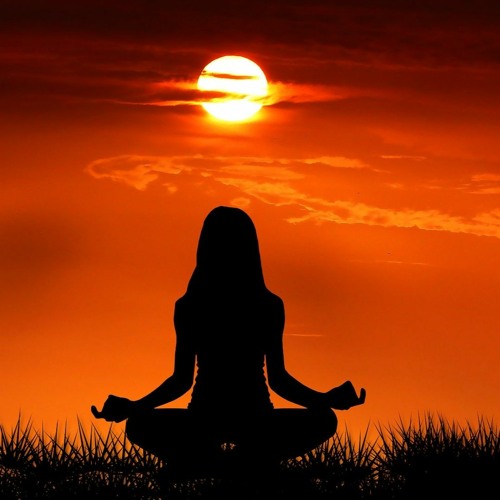
Light yoga or flow sessions
Easy cycling or swimming
The goal is not intensity — it’s release.
Slow Down Without Stopping Completely
Relaxation is about balance.
You don’t always need to push harder. Sometimes you need to:
Breathe deeper
Move slower
Be more present
Let your body recover
Active movement teaches you how to slow down without becoming stagnant.
APE Relaxation Practice
For the next 7 days:
Spend 10–20 minutes moving slowly each day
Focus on breathing and smooth movement
Leave distractions behind during that time
Ask yourself:
How does my body feel when I truly slow down and move with awareness?
Final Thought
Relaxation is not weakness.
It’s part of staying healthy, balanced, and resilient.
Active movement helps release stress, calm the mind, and reconnect you with your body in a natural way.
Slow down.
Move with intention.
Give your body space to recover and reset.
Because sometimes the strongest thing you can do… is relax.
Subscribe
Follow the movement and stay updated for comming events , offers and the competitions

Follow us
All Rights reserved ©